











Single-Origin vs. Blends: What's Actually the Difference
Share
Single-origin and blend get treated like a quality hierarchy sometimes, as if one is automatically more serious than the other. That's not really how it works. They're just two different approaches to building a cup, each suited to different goals.
A single-origin coffee comes from one place, sometimes one farm or even one specific lot. The appeal is transparency and character. You're tasting the specific altitude, soil, and processing choices of that one location, season to season. That also means single-origin coffees can vary a bit from harvest to harvest, the same way wine from a single vineyard does.
A blend is built on purpose, combining coffees from different origins to hit a specific, repeatable flavor profile year-round. Good blending is its own skill. It's about balancing acidity, body, and sweetness from different lots so the final cup tastes the same in January as it does in July, regardless of what any single harvest looked like.
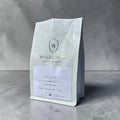
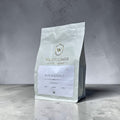
If you want to explore what a single place tastes like, our May Flower Colombian is a good entry point. It's grown in one region at a high enough elevation to develop a really clean, floral sweetness, and it changes subtly with each new harvest we bring in, which is part of the fun of drinking single-origin coffee regularly.
Neither approach is the objectively right one. If you like consistency and a dependable daily cup, a good blend will serve you well. If you like tasting how a place and a season come through in the cup, single-origin is worth building a habit around. Most people end up keeping both in rotation once they know what they're actually choosing between.