











Five Brewing Mistakes That Are Ruining Your Specialty Coffee (And How to Fix Each One)
Share
In This Article
Specialty coffee is not difficult to brew well. But it is easy to brew wrong in ways that are entirely fixable once you know what’s happening. Most people who believe they don’t like a particular coffee — or who have accepted that coffee just doesn’t agree with them — are actually experiencing the results of one or more correctable errors in their brewing process.
These are the five most common. Fix them in order and the improvement is immediate. For a full technical deep-dive on any of these, our complete pour-over guide covers each variable in detail.
Mistake 1: Using Pre-Ground Coffee
This is the single most impactful change most home brewers can make, and it’s the one most people resist because it requires buying a piece of equipment.
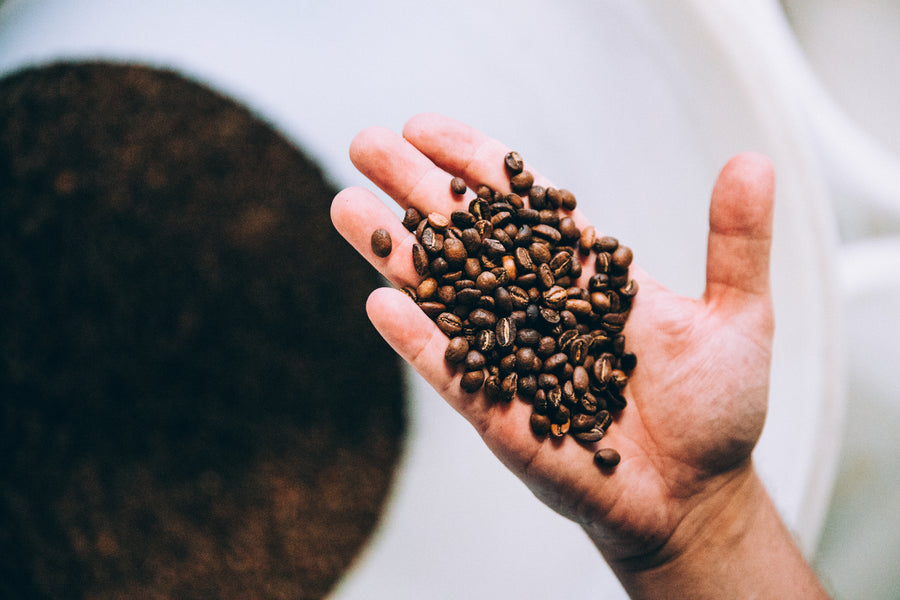
Coffee begins degrading the moment it is ground. The surface area of ground coffee is exponentially greater than whole beans — and that increased surface area accelerates the oxidation, CO2 release, and moisture absorption that strip aromatic complexity from the coffee. Pre-ground coffee sold in grocery stores may be days, weeks, or months post-grinding. The aromatic compounds responsible for the tasting notes on the bag — the berry, citrus, chocolate, caramel — have largely off-gassed by the time you open the packet.
Grinding immediately before brewing is not perfectionism. It is the most basic quality step in home coffee preparation. The improvement is not subtle. From pre-ground to freshly ground, most people describe the shift as the difference between a flat, thin, muted cup and one that actually delivers on what the bag promised.
You do not need an expensive grinder. A burr grinder — one that uses two grinding surfaces to produce consistent particle size — is what you need. Blade grinders (which chop rather than grind) produce wildly inconsistent particle sizes that brew at different rates, creating simultaneous over- and under-extraction in a single cup.
Mistake 2: Using the Wrong Grind Size
Grind size determines extraction rate: how quickly water dissolves the soluble compounds in coffee grounds. Too fine a grind extracts too quickly — the coffee becomes over-extracted and bitter. Too coarse a grind extracts too slowly — the coffee is under-extracted and sour, thin, or watery.
The correct grind size depends on your brewing method:
- Pour-over (V60, Chemex): Medium-fine — approximately the texture of table salt
- Drip machine: Medium — slightly coarser than pour-over
- French press: Coarse — roughly breadcrumb texture
- AeroPress: Variable (fine to medium-fine depending on brew time)
- Espresso: Fine — finer than table salt, approaching flour in texture
Diagnostic rule: if your coffee tastes bitter and heavy, grind coarser. If it tastes sour and thin, grind finer. Change one variable at a time and brew again. Keep notes.
Every great cup starts with the grind.
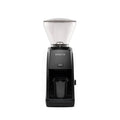
The Baratza Encore ESP is the standard entry-level recommendation from specialty coffee professionals. Consistent burr grinding, the right size settings, built to last.
Shop Baratza Encore ESP →Mistake 3: Wrong Water Temperature
Boiling water (212°F / 100°C) is too hot for most specialty coffee. At boiling, the extraction of bitter compounds accelerates disproportionately — you extract the astringent, harsh elements before the nuanced, desirable ones have had time to fully emerge.
The standard recommendation is 195–205°F (90–96°C). A practical shortcut without a temperature-controlled kettle: bring water to a boil, remove from heat, and let rest for 30–45 seconds. This drops the temperature to approximately the right range.
Adjust by roast level:
- Light roasts: 200–205°F — higher temperature helps extract the denser, harder-to-dissolve compounds in lighter roasts
- Medium roasts: 200°F
- Dark roasts: 195–200°F — slightly lower temperature reduces extraction of already-dominant roasty bitterness
Mistake 4: Starting With Stale Coffee
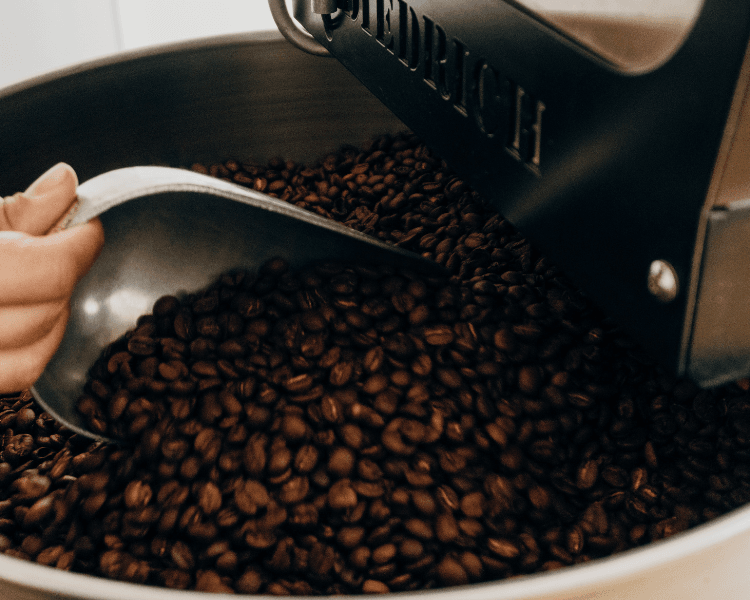
No brewing technique can rescue fundamentally stale coffee. Volatile aromatic compounds — the molecules responsible for the berry, caramel, citrus, cedar notes in specialty coffee tasting notes — off-gas rapidly after roasting. Whole bean coffee is at its peak between 4 and 14 days post-roast. After 30 days, noticeable degradation. After 60 days, the coffee is largely flat regardless of brew method.
This is the most underappreciated quality variable in home coffee. Many people blame their equipment or their technique for cups that taste dull or papery. The culprit is often the coffee itself — specifically how long ago it was roasted.
The solution: buy roasted-to-order coffee and note the roast date on the bag. A roast date that is recent (within the past week or two) means you’re receiving coffee in its peak window. A “best by” date with no roast date is a signal that the brand doesn’t want you to know how old the coffee is. And for anyone curious about why stale coffee might also be contributing to post-coffee brain fog, oxidized lipids in old coffee are a documented contributing factor.
Mistake 5: Measuring by Volume, Not Weight
A tablespoon of light roast coffee and a tablespoon of dark roast coffee contain different amounts of actual coffee — because roast level affects bean density. A scoop, a tablespoon, a “heaping spoonful” — all of these volume measures are inherently inconsistent because coffee density varies.
Weighing your coffee with a digital kitchen scale is the single change that most improves brewing consistency. It requires a scale (not an expensive one — any digital scale accurate to one gram is sufficient) and about five seconds of additional setup. The standard pour-over starting ratio is 1:15 — one gram of coffee for every 15 grams of water. A 300ml cup takes 20g of coffee. Every cup brewed to the same ratio tastes the same; every cup eyeballed with a scoop tastes slightly different.
Frequently Asked Questions
What are the most common coffee brewing mistakes?
The five most common are: using pre-ground coffee (the single largest quality impact), using the wrong grind size for your brewing method, brewing with water that is too hot or too cold, starting with stale coffee (roasted too long ago), and measuring by volume rather than weight. Each is independently fixable and each produces immediate, perceptible improvement when corrected.
Why does my coffee taste bitter?
Bitterness is almost always a sign of over-extraction: too fine a grind, too high a water temperature, too slow a pour (extending brew time), or a combination of these. The first fix to try is coarsening your grind — it’s the most impactful single change. If bitterness persists after grind adjustment, lower your water temperature by 5 degrees. See our coffee glossary for a full explanation of extraction and what it means for your cup.
Why does my coffee taste sour or weak?
Sourness and thinness indicate under-extraction: not enough soluble compounds have been dissolved from the grounds. This is caused by too coarse a grind, too low a water temperature, or too fast a brew (insufficient contact time). Grind finer first. If the coffee still tastes sour but now has more body, you’re moving in the right direction. If it becomes bitter, you’ve crossed into over-extraction and can back off slightly.
Do I need a kitchen scale to brew good coffee?
To brew consistently good coffee, yes. Volume measurements (scoops, tablespoons) produce inconsistent results because coffee density varies by roast level and origin. A digital scale accurate to one gram costs $10–15 and is the single most impactful inexpensive upgrade a home brewer can make after investing in a burr grinder. The improvement in consistency is immediate and repeatable.
Does water temperature really affect coffee taste?
Significantly. Water temperature determines how quickly and which compounds extract from the grounds. Boiling water extracts bitter compounds disproportionately. Water that is too cool under-extracts, producing thin, sour coffee. The 195–205°F range is the established specialty coffee standard for good reason — it is the temperature range where extraction is balanced and the nuanced flavor compounds develop fully before bitterness dominates.
Keep Reading
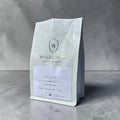
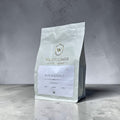
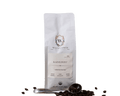
Great technique. Clean coffee to match.
Morning Bloom is roasted to order, mold-free certified, and single-origin Colombian — the ideal coffee to put your improved technique to work.
Shop Morning Bloom →