









What ‘Roasted to Order’ Actually Means — And Why the Date on Your Bag Matters
Share
In This Article
Walk down the coffee aisle of any grocery store and you’ll find hundreds of bags with a date printed somewhere on the packaging. In most cases, that date is a “best by” date — set, typically, 12 to 18 months from the date of roasting. The coffee inside may have been roasted six months ago, eight months ago, or longer. The “best by” date tells you when it becomes officially stale, not when it was at its best.
Roasted-to-order means something different. It means your coffee hasn’t been roasted yet when you place your order. And that distinction changes the cup in ways that are immediately perceptible — not subtle, not marginal, but immediate and unmistakable.
The Chemistry of Coffee Freshness
Coffee is a perishable product. During roasting, coffee beans undergo the Maillard reaction and caramelization, developing hundreds of volatile aromatic compounds — the molecules responsible for everything that makes coffee smell and taste the way it does. These compounds begin degrading the moment roasting ends.
Whole bean coffee, stored properly in a sealed bag with a one-way valve, retains most of its aromatic complexity for approximately two to four weeks post-roast. After that, the degradation is noticeable. After six months, the coffee is flat in a way that no preparation technique can compensate for. This is why brewing stale coffee is one of the five most common mistakes home brewers make.
The other element that freshness affects is carbon dioxide. Freshly roasted coffee is actively off-gassing CO2. This is what creates the bloom when you pour hot water over fresh grounds. CO2 acts as a preservative for aromatic compounds in the early post-roast period. Old coffee has no CO2 left. The bloom doesn’t happen. The protection is gone.
How the Industry Handles Freshness (And Doesn’t)
Most quality-focused roasters now print roast dates prominently on their bags. But the roast-date-visible model assumes the buyer receives it within days of roasting. In practice, even with small roasters who post roast dates, there is often a gap: the coffee was roasted, sat in inventory, shipped, perhaps sat at a warehouse — and arrives at your door two to three weeks after roasting.
Grocery store coffee exists in an entirely different relationship with time. The logistics of retail distribution require that coffee be roasted well in advance, sit on the shelf until purchased, then sit in your pantry until used. A bag that “looks fresh” at a grocery store may be four to eight months post-roast before you open it. This is not a quality failure — it is an inherent structural constraint of retail distribution. The solution is to change the model.
Coffee roasted specifically for your order.
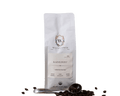
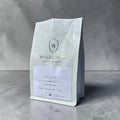
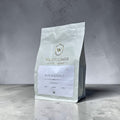
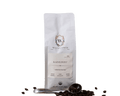
Morning Bloom is roasted after you order it — shipped within days, at peak freshness. The roast date on your bag tells the truth.
Shop Morning Bloom →What Roasted-to-Order Actually Changes in Your Cup
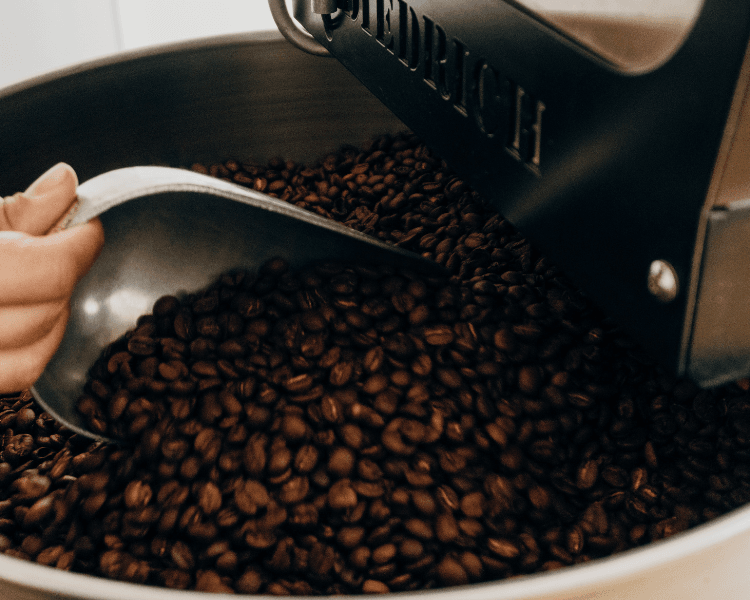
At Wildflower, roasted-to-order means your bag of coffee is roasted after you place the order. We roast in small batches. Your specific order triggers the roast. The bag that arrives is typically 3–7 days post-roast — within the optimal development window of 4 to 14 days that most specialty coffee professionals recommend.
In your cup, this delivers:
- Full aromatic expression. The berry, chocolate, citrus, caramel, cedar notes in our tasting notes are volatile aromatic compounds. You taste them when they are present and intact. Old coffee has lost a significant percentage of these compounds.
- Proper bloom. If you brew pour-over or AeroPress, a visible, active bloom tells you your extraction will be uniform.
- Cleaner overall taste. Stale coffee has a papery, flat, sometimes slightly rancid quality that most people have normalized as “just what coffee tastes like.” It isn’t. It’s what old coffee tastes like.
The Mold-Free Connection
Freshness and mold-free certification are connected in a way that isn’t immediately obvious. Roasted coffee stored in improper conditions can develop surface mold. The longer the supply chain, the more exposure windows exist. Roasted-to-order minimizes storage time by design — your coffee doesn’t sit in a warehouse for months. It goes from roaster to your door in days, shortening every window during which something could go wrong.
This is also why a properly structured subscription is the most reliable way to ensure you’re always drinking coffee at its freshest: the recurring order triggers the recurring roast, and you never reach for a bag that’s been sitting in a pantry for months.
The Date That Tells the Truth
When you receive a bag of Wildflower coffee, look at the roast date. It will be recent. It will be specific. It will tell you exactly when your coffee was made, not when the brand hopes you’ll have finished it. That date is our commitment: that what’s in the bag was made for your order, at its freshest possible state, and will be at its peak when you open it.
Frequently Asked Questions
What does “roasted to order” mean?
Roasted to order means the coffee is roasted after you place your order — not before. Rather than roasting large batches for inventory and shipping from stock, the roaster processes your specific order, packages it, and ships it within days of roasting. The roast date on the bag is, within days, the date of your purchase.
How long does roasted coffee stay fresh?
Whole bean coffee stored in a sealed one-way-valve bag at room temperature maintains peak aromatic complexity for approximately 2–4 weeks post-roast. The optimal brewing window is generally 4–14 days post-roast, when CO2 off-gassing has stabilized and the full flavor profile is accessible. After 30 days, noticeable degradation begins; after 60 days, significant flatness. After 6 months, the coffee is technically drinkable and largely tasteless.
Is roasted-to-order coffee really that different from grocery store coffee?
Yes — and the difference is not subtle. Grocery store coffee is typically 4–8 months old when you open it. The volatile aromatic compounds responsible for the flavors described in tasting notes have largely off-gassed. What remains is the structural backbone of the coffee without its full expression. Freshly roasted coffee brewed within the 4–14 day window produces a cup that tastes like the origin, the roaster’s intent, and the farmer’s work — not just caffeine delivery.
When is the best time to drink freshly roasted coffee?
The sweet spot is 4–14 days post-roast for most medium and medium-dark roast coffees. Within the first 3 days, active CO2 off-gassing can interfere with extraction consistency. After 14 days, degradation accelerates noticeably. For light roasts, extend the window slightly — some specialty coffees develop better with 7–10 days of rest. For dark roasts, the window is similar but shorter on the back end.
How should I store roasted coffee to keep it fresh?
Store whole bean coffee in the original bag (which includes a one-way valve for CO2 release) at room temperature, away from direct light and heat sources. Do not refrigerate — the condensation cycle when removing coffee from the refrigerator damages aromatic compounds. Do not freeze unless storing for longer than 3–4 weeks, and if freezing, portion into single-use amounts and thaw completely before opening. Grind only what you need immediately before brewing.
Keep Reading
The roast date on your bag should tell the truth.
Morning Bloom is roasted to order, mold-free certified, and shipped within days of roasting. Experience what “fresh” actually tastes like.
Shop Morning Bloom →