











Mycotoxins in Coffee: What They Are, Where They Come From, and How to Protect Yourself
Share
In This Article
Every morning, millions of people brew coffee believing it’s giving them energy, clarity, and a small moment of daily pleasure. What most of them don’t know is that their coffee — the organic kind, the premium kind, even the expensive kind — may be quietly delivering something they never ordered.
Mycotoxins. Toxic compounds produced by mold, invisible in your cup, and far more prevalent in conventional coffee than the industry is motivated to tell you about.
If you’re someone who reads ingredient labels, chooses clean sources, and takes your health seriously, this is a conversation worth having. Not to alarm you — but to arm you with the information to make a genuinely better choice.
What Are Mycotoxins?
Mycotoxins are toxic compounds produced by certain species of mold — primarily those in the Aspergillus, Penicillium, and Fusarium families. They are not the mold itself, but secondary metabolites — chemical byproducts that mold secretes, often as a biological defense mechanism.
What makes mycotoxins particularly relevant to coffee drinkers is a property the industry rarely advertises: mycotoxins are heat-stable. They do not burn off during roasting. A light roast, a medium roast, a dark roast — none of these eliminate mycotoxins from contaminated green coffee. What enters the roaster exits the roaster.
The two mycotoxins most commonly identified in coffee are:
- Ochratoxin A (OTA) — The IARC classifies OTA as a possible human carcinogen (Group 2B). Research links it to kidney damage, immune suppression, and endocrine disruption — of particular concern to anyone managing autoimmune conditions or thyroid disorders.
- Aflatoxin B1 — IARC classifies this as a Group 1 carcinogen. It is among the most potent naturally occurring carcinogens identified in the scientific literature.
The levels in most commercial coffee typically fall below EU regulatory thresholds — but those thresholds were designed for single-exposure events, not the cumulative reality of a daily habit sustained over decades.
How Mycotoxins End Up in Coffee
Coffee’s journey from cherry to cup is long, humid, and full of windows where contamination can enter.
During Processing
When fermentation conditions are poorly controlled, mold flourishes alongside intended yeast and bacteria. Beans absorb mycotoxins during this contact window. Natural processing presents similar risks when drying conditions are substandard.
During Drying
Green coffee must reach 10–12% moisture before safe storage. Rain interruptions, high humidity, and insufficient airflow create conditions where beans dry unevenly and mold colonizes the portions that remain too wet — almost entirely invisible to downstream buyers.
During Storage and Transport
Green coffee is stored for weeks or months at origin, then at the importer’s warehouse, then before roasting. Each environment is a moisture-risk point. And in commodity sourcing, a contaminated lot from one farm contaminates the entire blended purchase. There is no traceability. The consumer never knows.
What the Research Shows
A 2003 study in the European Journal of Agronomy found OTA survives roasting with reductions of only 50–80% — measurable quantities remain in the finished cup. A 2015 review in Toxins confirmed that brewed coffee from contaminated green coffee retains detectable OTA levels.
Research implicates OTA in nephrotoxicity, neurotoxicity, immunotoxicity, and hormonal disruption — and in increased inflammatory markers of particular relevance to anyone managing chronic health conditions. The scientific consensus is not that coffee is dangerous. It’s that mold contamination is real, measurable, and essentially unaddressed by the mainstream industry.
Why Most Coffee Brands Don’t Address This
Testing for mycotoxins requires independent laboratory analysis and traceability — the ability to identify exactly which farms a batch came from. That requires direct sourcing relationships, not commodity purchase orders.
For commercial roasters buying blended lots from brokers, mycotoxin testing is essentially impossible. There is no single farm to test. Even “organic” coffee — which many treat as a proxy for clean — addresses only pesticide practices. Organic certification is entirely silent on fermentation, drying, and storage. The two standards measure different things.
Tired of wondering what’s in your coffee?
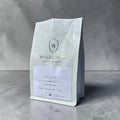
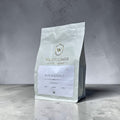
Wildflower’s Morning Bloom is independently lab-tested, mold-free certified, USDA Organic, and roasted to order. Your cleanest cup starts here.
Shop Morning Bloom →What Mold-Free Certification Actually Requires
For a coffee brand to credibly claim mold-free status, four conditions must exist simultaneously: traceable direct-trade sourcing; independent laboratory testing for OTA and Aflatoxin B1; processing standards at origin; and proper humidity-controlled storage and transport.
At Wildflower, these are the foundation of how we source. Our Organic Colombia Tolima comes from ASOPEP, the cooperative led by Camilo Suarez in Planadas, Tolima. Our Organic Guatemala Huehuetenango comes from the estate of Osvaldo Perez, third-generation farmer with Rainforest Alliance certification. Our green coffee is independently tested, renewed with each crop cycle.
The Experience You May Already Have Had
Many people who switch to clean, mold-free coffee report the same thing: the brain fog lifts. The afternoon crash they’d normalized doesn’t happen. Clarity. Cleaner energy. That shift is not placebo — it is the straightforward result of removing a consistent source of low-grade physiological stress from a daily ritual.
How to Choose a Cleaner Cup
- Can they show you lab results? If a brand claims mold-free without third-party documentation, the claim is marketing, not verification.
- Is the sourcing direct-trade or traceable single-origin? Traceability is a prerequisite, not a feature.
- Is it roasted to order? Old stock in humid distribution warehouses creates post-roast contamination windows. Roasted-to-order eliminates this entirely.
- Is it also organic? Not a substitute for mold-free testing — but brands serious enough to pursue organic certification tend to operate with greater intentionality across the board.
Frequently Asked Questions
Does roasting coffee destroy mycotoxins?
No. Roasting reduces OTA by 50–80% but does not eliminate it. Mycotoxins are thermally stable — they remain present in light and dark roasts alike if they were present in the green bean. The only solution is preventing contamination at the source.
Is organic coffee free of mycotoxins?
Not necessarily. Organic certification verifies pesticide practices only — it says nothing about processing methods, drying conditions, or storage. A USDA Organic bag can still carry measurable OTA levels. Mold-free certification and organic certification measure entirely different things.
What is Ochratoxin A and why does it matter?
Ochratoxin A (OTA) is the mycotoxin most commonly found in coffee. The IARC classifies it as a possible human carcinogen associated with kidney damage, immune suppression, endocrine disruption, and elevated inflammatory markers. For daily coffee drinkers, OTA is the contamination variable most worth understanding.
How can I tell if my coffee has mycotoxins?
You cannot detect mycotoxins by taste, smell, or appearance. The only way to verify a coffee is free of them is through independent laboratory testing. Look for brands that publish third-party lab results and source directly from traceable farms.
What’s the difference between mold-free and organic coffee?
Organic certification addresses pesticide use on the farm. Mold-free certification addresses what happened after harvest — fermentation, drying, storage, and transport. A coffee can be both certified organic and heavily mycotoxin-contaminated. Always look for both.
Keep Reading
Ready for a cup you can actually trust?
Wildflower’s Morning Bloom is mold-free certified, USDA Organic, direct-trade sourced, and roasted to order — shipped within days of your purchase.
Shop Morning Bloom →