

















Coffee and Inflammation: What the Current Science Actually Tells Us
Share
In This Article
The question of whether coffee is inflammatory or anti-inflammatory is one of the most frequently asked and most incompletely answered questions in the nutrition and wellness space. The honest answer is: it depends on what’s in your coffee.
Coffee in its best form — freshly roasted, clean-sourced, properly stored — contains a substantial load of polyphenols with genuine anti-inflammatory properties. Coffee in its most common form — commodity-sourced, stored for months, potentially contaminated — contains those same compounds alongside others that can trigger exactly the opposite response.
Understanding which version you’re drinking changes how you interpret both the research and your own experience.
The Two-Sided Relationship Between Coffee and Inflammation
Coffee is one of the most complex beverage in terms of bioactive compound content — containing over 1,000 distinct chemical constituents, many of which have documented effects on human physiology. The inflammation picture emerges from the interaction of multiple compound classes simultaneously, which is why population-level studies often show different outcomes for different subgroups.
The summary: clean, high-quality coffee, consumed in moderate amounts, has a net anti-inflammatory effect in most healthy adults. Contaminated, stale, or commodity-sourced coffee can reverse this picture for sensitive individuals — particularly those managing autoimmune conditions or gut-related disorders.
The Compounds That Make Coffee Anti-Inflammatory
Chlorogenic acids (CGAs). The most abundant polyphenols in coffee, CGAs are potent antioxidants that inhibit NF-κB — a key transcription factor in the inflammatory signaling cascade. Multiple studies have found that CGA consumption is associated with reduced circulating levels of IL-6, CRP, and TNF-α — all markers of systemic inflammation.
Caffeic acid. A metabolite of chlorogenic acid produced during digestion, caffeic acid has been shown to inhibit COX-2 enzymes — the same pathway targeted by ibuprofen and other NSAIDs.
Caffeine. Counterintuitively, caffeine itself has demonstrated anti-inflammatory properties in several contexts, including inhibition of adenosine receptor activation pathways involved in inflammatory signaling. This is separate from its well-known neurological effects.
Trigonelline and N-methylpyridinium. Roasting produces these compounds from precursors in green coffee. Both have demonstrated neuroprotective and anti-inflammatory properties in in vitro and animal studies.
The Compounds That Can Make Coffee Pro-Inflammatory
Advanced Glycation End Products (AGEs). Dark roasting produces AGEs through the Maillard reaction. These compounds are associated with oxidative stress and inflammation in high quantities. Light to medium roasts contain significantly lower AGE levels — another argument for specialty-grade roasting over mass-market dark roasting.
Acrylamide. Also produced during roasting, acrylamide is a potential carcinogen at high exposures with some evidence for inflammatory effects. It is present in higher concentrations in darker roasts. Light to medium specialty roasts, brewed without excessive heat, minimize this exposure.
Oxidized lipids. Stale coffee that has undergone lipid oxidation contains aldehyde and ketone compounds with documented pro-inflammatory effects. This is one of the reasons freshly roasted coffee — consumed within its optimal window — presents a meaningfully cleaner inflammatory profile than old stock.
Clean coffee, clean clarity.
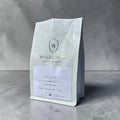
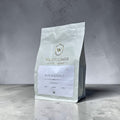
Morning Bloom is mold-free certified, medium-roast Colombian, and roasted to order. Lower AGEs, no oxidized lipids, verified clean sourcing. The anti-inflammatory version of your morning ritual.
Shop Morning Bloom →Mycotoxins: The Hidden Inflammatory Variable
Of all the pro-inflammatory variables in coffee, mycotoxins — specifically Ochratoxin A — may be the most significant and the least addressed in mainstream nutrition guidance.
OTA directly upregulates pro-inflammatory cytokines: TNF-α, IL-1β, IL-6, and others that are already elevated in people managing inflammatory conditions. OTA also disrupts gut barrier integrity, increasing intestinal permeability — a key mechanism through which systemic inflammation is amplified. For anyone who has found that coffee consistently worsens their inflammatory symptoms despite consuming what seems like a reasonable quantity, mycotoxin contamination in their source is a high-probability explanation.
This is particularly relevant for people managing autoimmune conditions, who often find that switching to a mold-free certified coffee dramatically changes their post-coffee experience. It is also connected to the coffee headache and brain fog pattern that OTA’s neurological effects produce.
What the Research Actually Recommends
The current body of research supports moderate coffee consumption (2–4 cups per day for most healthy adults) as net anti-inflammatory — with the strongest evidence for CGA-mediated CRP reduction and cardiovascular benefit. The studies that show inflammatory harm from coffee almost always involve populations with gut conditions, mycotoxin sensitivity, or who consume large quantities of dark-roasted, poorly sourced coffee.
The practical implications: choose light to medium roast for lower AGE and acrylamide load; choose direct-trade, mold-free certified sourcing to eliminate the OTA variable; drink freshly roasted coffee within its peak window; and notice your personal response rather than defaulting to population averages. You are not a population average.
Frequently Asked Questions
Is coffee anti-inflammatory?
High-quality specialty coffee is, for most healthy adults, net anti-inflammatory. Its polyphenol content — particularly chlorogenic acids and caffeic acid — inhibits key inflammatory signaling pathways, and multiple meta-analyses have found associations between moderate coffee consumption and reduced CRP, IL-6, and TNF-α. The critical qualifier is source quality: contaminated, stale, or heavily dark-roasted coffee can reverse this picture for sensitive individuals.
Can coffee make inflammation worse?
Yes, in specific circumstances. Dark roasting produces AGEs and acrylamide; stale coffee produces oxidized lipid compounds; and — most significantly — conventionally sourced coffee commonly contains Ochratoxin A, a mycotoxin that directly upregulates pro-inflammatory cytokines and disrupts gut barrier integrity. For people with autoimmune conditions, gut inflammation, or mycotoxin sensitivity, these variables can outweigh coffee’s anti-inflammatory polyphenol content.
What coffee is best for inflammation?
For the most anti-inflammatory cup: choose light to medium roast (lower AGEs and acrylamide), mold-free certified sourcing (eliminates OTA), freshly roasted within the past two weeks (no oxidized lipids), and single-origin for full traceability. Among Wildflower’s lineup, Morning Bloom checks all these boxes — a clean medium-roast Colombian, mold-free certified, and roasted to order.
Does mycotoxin contamination in coffee cause inflammation?
Research supports a direct connection. Ochratoxin A upregulates TNF-α, IL-1β, and IL-6 — all pro-inflammatory cytokines. It also disrupts tight junction proteins in the gut lining, increasing intestinal permeability, which amplifies systemic inflammatory load. For daily coffee drinkers, chronic low-level OTA exposure represents a cumulative inflammatory burden that is eliminated by switching to independently lab-tested, mold-free certified sourcing.
How many cups of coffee per day is anti-inflammatory?
Most research supports 2–4 cups per day of clean specialty coffee as the optimal anti-inflammatory range for healthy adults. Below 2 cups, the polyphenol load may be insufficient to produce measurable inflammatory benefit. Above 4 cups, cortisol elevation and sleep disruption begin to introduce secondary pro-inflammatory effects. Individual response varies, particularly for people with caffeine sensitivity, gut conditions, or autoimmune disorders.
Keep Reading
Coffee and adaptogens. The functional upgrade.
Mind Glow pairs Wildflower’s clean specialty coffee with organic adaptogenic mushrooms — lion’s mane, chaga, and reishi — for cognitive support, immune resilience, and clean energy without the crash.
Shop Mind Glow →