












Direct Trade vs. Fair Trade Coffee: What the Difference Actually Means for Farmers and Your Cup
Share
In This Article
Most specialty coffee bags carry one of two phrases: Fair Trade Certified or Direct Trade. They sound similar. They both signal some kind of ethical sourcing commitment. But they represent fundamentally different relationships between a roaster and a farm — and the difference has real consequences for the farmers who grow your coffee and the quality that ends up in your cup.
Understanding the distinction is worth your time, especially if you’ve been using Fair Trade certification as a proxy for “good sourcing.” It may be — but it may also be the floor, not the ceiling.
What Fair Trade Certification Actually Is
Fair Trade is a third-party certification system. Farmers or cooperatives pay to be certified and meet a set of standards around labor practices, environmental stewardship, and governance. In exchange, they receive a guaranteed minimum floor price for their coffee — currently $1.80 per pound for washed arabica — and access to buyers who prioritize Fair Trade-certified supply.
The intention is genuinely good. But Fair Trade has structural limitations worth understanding honestly:
- The floor price is low. $1.80 per pound is above the commodity price in bad market years — but far below what high-quality specialty coffee actually commands.
- Certification is paid, not earned through quality. Any farm that can afford the fee and meets auditable standards can carry the label. Quality of the coffee is not a criterion.
- The relationship is mediated. Most Fair Trade coffee flows through cooperatives and brokers. The roaster often has no direct relationship with the farm. The certification documents a standard; it doesn’t create a connection.
None of this means Fair Trade is without value. It is a meaningful baseline — a verifiable floor. The question is whether a floor is what you’re looking for.
What Direct Trade Actually Means
Direct trade is not a certification. There is no third-party body that grants or withholds the label. In its truest form, it means a roaster has established an ongoing purchasing relationship directly with a specific farm or cooperative — bypassing brokers — and pays a price negotiated based on the quality of that specific coffee.
The implications are significant:
- Price premium reflects quality. Direct trade prices for specialty coffee are typically $3 to $8 per pound or higher — two to four times the Fair Trade floor.
- The relationship creates accountability. When a roaster commits to buying from the same farm season after season, both parties have strong incentive to maintain quality. A bad harvest year doesn’t end the relationship — it’s worked through together.
- Traceability is genuine. In a direct trade model, the roaster can tell you the farmer’s name, the specific plot, the processing method, and the harvest date. This is not marketing copy — it is a documented supply chain.
- Quality is the filter. You don’t get into a direct trade relationship by passing a certification audit. You get there by growing exceptional coffee that a discerning roaster wants to buy.
Taste what direct trade actually means.
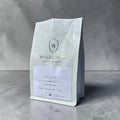
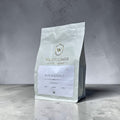
Wildflower’s May Flower is sourced directly from ASOPEP in Colombia’s Tolima region — a Fair Trade and Organic cooperative with a story worth knowing.
Shop May Flower →Why the Distinction Matters for Mold-Free Coffee
There’s an important connection between direct trade sourcing and mold-free quality that often goes unnoticed. Mycotoxin contamination in coffee almost always originates at the farm level: in the fermentation process, drying conditions, and green bean moisture management. In a commodity or Fair Trade supply chain, the roaster has no visibility into what happens on the farm after harvest.
In a direct trade model, the roaster has actual visibility into post-harvest practices. They have the relationship required to ask questions, request improvements, and decline lots that don’t meet quality standards — which includes contamination standards. You cannot have a genuinely mold-free supply chain without a direct trade sourcing model. They are linked.
Wildflower’s Direct Trade Relationships
At Wildflower, direct trade isn’t a marketing phrase. Our Organic Colombia Tolima comes from ASOPEP — the cooperative led by Camilo Suarez in Planadas, Tolima. ASOPEP is both Fair Trade and Organic certified, meeting the verified floor. But our relationship goes further: we know their processing practices, their drying protocols, and the coffee earns its premium not because it passed an audit, but because it is genuinely exceptional.
Our Organic Guatemala Huehuetenango comes from the estate of Osvaldo Perez — a third-generation farm family with Rainforest Alliance certification and a 280-hectare estate managed with both productivity and environmental stewardship. Our Wild Orchid Sumatran comes from the Aceh region, where the wet-hulled processing tradition demands the closest possible attention to post-harvest conditions to prevent the contamination risks that Sumatran sourcing typically carries.
The certifications document a baseline. The relationships are what give the quality claim its teeth. And it’s why we can say, with genuine confidence, that we know exactly where your coffee comes from.
Frequently Asked Questions
What is direct trade coffee?
Direct trade coffee means the roaster purchases directly from the producing farm or cooperative, bypassing importers and brokers. The relationship typically involves higher prices for farmers, genuine quality accountability, and full supply chain traceability. Unlike Fair Trade, direct trade is not a certification — it’s a sourcing model and relationship.
Is direct trade better than Fair Trade?
They serve different purposes. Fair Trade provides a price safety net and standardized labor protections — valuable during commodity price crashes. Direct trade enables higher premiums, quality-driven relationships, and genuine traceability that Fair Trade’s third-party model can’t replicate. The best scenario is both: a farm with Fair Trade certification and a direct trade purchasing relationship. That’s exactly what Wildflower has with ASOPEP in Colombia.
How can I verify if a coffee brand is truly direct trade?
Ask them directly: Can you name the farmer or cooperative this coffee came from? Can you show us how the relationship works? Can you describe their processing protocols? Genuine direct trade relationships produce specific, verifiable answers. Vague marketing language — “we partner with farmers” — usually signals commodity sourcing dressed in better language.
Does direct trade coffee cost more?
Yes — and the price premium is the point. Direct trade prices for specialty coffee typically range from $3 to $8+ per pound of green coffee, compared to the $1.80 Fair Trade floor. That premium reaches the farmer directly and funds the quality investment — better drying infrastructure, processing equipment, education — that makes the coffee worth buying at a premium in the first place.
Does direct trade sourcing affect coffee quality?
Significantly. When a roaster has a direct relationship with a farm, both parties are incentivized to optimize quality over time. The roaster provides feedback; the farmer invests in improvement; the quality improves year after year. This positive cycle is structurally impossible in commodity sourcing, where the connection between quality and price is severed by blending and broker intermediaries.
Keep Reading
Know exactly where your coffee comes from.
Shop Wildflower’s direct-trade single origins — Colombia, Guatemala, Sumatra, Honduras — roasted to order and shipped within days.
Explore Single Origins →