
















Wet-Hulled Sumatra: Understanding the Ancient Processing Method Behind Wild Orchid Coffee
Share
In This Article
Every coffee producing region in the world has developed its own answer to the same fundamental question: how do you turn a ripe coffee cherry into a stable, exportable green bean while preserving or enhancing the qualities that make that bean worth drinking?
In Colombia, the answer is washed processing — fully removing the fruit before drying, producing clarity and brightness. In Ethiopia, it’s often natural processing — drying the whole cherry intact, producing fruity, wine-like complexity. In Sumatra, the answer is something else entirely: a method called wet hulling, or Giling Basah in Indonesian, that exists nowhere else in the world.
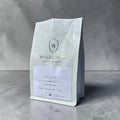
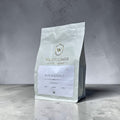
It is the method behind Wildflower’s Wild Orchid. Understanding it explains everything about what makes this coffee unusual — and why the unusual is worth experiencing. You can find a full explanation of these processing terms in our specialty coffee glossary.
Why Sumatra Needed a Different Method
Wet hulling was not invented as an aesthetic choice. It was invented as a practical solution to a challenging climate. The Aceh region of Sumatra, where Wildflower’s Wild Orchid originates, sits near the equator on a large tropical island with significant rainfall year-round. The rainy season in Aceh is long, unpredictable, and often coincides with the coffee harvest.
Drying green coffee to the stable moisture level required for export — typically 11 to 12 percent moisture content — is extremely challenging in these conditions. Standard washed or natural processing involves drying the bean over a period of days to weeks. In Aceh, consistent sun-drying for extended periods is rarely possible. Wet hulling solves this by removing the parchment layer from the bean much earlier in the process — while the bean still contains 30 to 50 percent moisture. The exposed bean dries faster and the process is less dependent on extended sunny weather.
The Giling Basah Process Step by Step
Harvested cherries undergo initial pulping — the outer fruit skin is removed mechanically, as in standard washed processing. The beans are then fermented briefly to loosen the mucilage, washed, and allowed to dry only partially — to 30–50 percent moisture rather than the 11–12 percent target for export stability.
At this stage, instead of continuing to dry the bean in its parchment, the parchment is removed using a wet huller while the bean is still semi-soft. The naked, exposed green bean is then spread on drying beds for a final shorter drying phase. Unlike standard processing, this final drying occurs without the protective parchment layer — leaving the bean exposed to the microbiological environment of the Aceh region in its most vulnerable state.
Sumatra’s most distinctive terroir. Verified clean.
Wild Orchid is sourced from the Aceh region via direct trade, independently tested mold-free, and roasted to order. The full Giling Basah experience without the contamination risk.
Shop Wild Orchid →What Wet Hulling Creates in the Cup
The flavor profile that wet hulling produces is unlike anything else in the coffee world. Sumatran coffees processed by this method consistently present:
- Low acidity. The early fermentation and exposed drying create enzymatic activity that breaks down acidic compounds. The result is a cup that is round and full-bodied, not bright and sharp.
- Earthy and herbal depth. The exposed drying phase introduces the distinctive earthy, forest-floor quality that Sumatran coffees are known for — not contamination, but terroir. The microbiological character of the Aceh environment becomes part of the flavor of the bean.
- Full, weighty body. In the cup, this reads as a thick, viscous texture that coats the palate. For espresso, this body is particularly well-suited to milk-based drinks where structural coffee presence is important.
- Cedar, dark chocolate, and tropical fruit. Beneath the earthy baseline, quality Sumatran coffees develop complex secondary notes. Wild Orchid, specifically, expresses citrus brightness layered beneath the cedar and herbaceous depth — reflecting both the Aceh terroir and Wildflower’s mold-free sourcing standards.
Compare this to the clean brightness of our Colombia Tolima or the stone fruit character of our Guatemala Huehuetenango and the range becomes clear: each origin delivers a fundamentally different cup character, and Sumatra’s is among the most distinctive in the world.
Wet Hulling and Mold-Free Certification
This is worth addressing directly: wet hulling, by virtue of its exposed drying phase in high-humidity conditions, creates elevated contamination risk compared to processing methods in drier climates. This is one reason why Sumatran coffees have historically been associated with higher mycotoxin levels than other origins.
For Wild Orchid to carry our mold-free certification, we source from producers in the Aceh region who manage the wet hulling process with specific protocols: controlled drying conditions, rapid transfer from wet huller to raised drying beds, and rigorous moisture monitoring throughout. The result is a wet-hulled coffee with the full character of Giling Basah processing without the contamination risks that poorly managed wet hulling can introduce. You get Sumatra in its full, complex expression. Without what Sumatra sometimes comes with when corners are cut.
How to Brew Wild Orchid
Wild Orchid is a medium roast that performs exceptionally as espresso — the body and low acidity make it a natural match for milk-based drinks. It also brews well as French press or AeroPress, where immersion brewing amplifies its earthy complexity. For pour-over, use slightly coarser grounds than you would for a washed single origin; the heavier body can read as muddy if extracted too aggressively.
Allow the coffee to rest 5–7 days post-roast before brewing for the cleanest expression. You can pair it with our Rainforest Espresso Blend for an all-day combination — Wild Orchid for your morning espresso, Rainforest for afternoon filter brewing.
Frequently Asked Questions
What is wet-hulled coffee?
Wet-hulled coffee (known in Indonesian as Giling Basah) is a processing method unique to Indonesia, particularly Sumatra. Unlike standard washed or natural processing, wet hulling involves removing the protective parchment layer from the bean while it is still at 30–50% moisture content — before drying is complete. This allows faster drying in Sumatra’s challenging high-humidity conditions, but exposes the bean to the microbiological environment during its most vulnerable phase.
What makes Sumatran coffee unique?
Sumatran coffee is distinctive for three things: the wet-hull processing method that exists nowhere else in the world, the isolated heirloom typica and catimor-based cultivars grown on Sumatra’s volcanic slopes, and the resulting flavor profile — low acidity, full body, earthy depth, and herbal complexity that is immediately recognizable to trained palates. No other origin produces coffee that tastes like Sumatra.
What does Wild Orchid Sumatran taste like?
Wild Orchid presents the characteristic Sumatran profile: a full, weighty body with low acidity, earthy and herbal depth, cedar and dark chocolate notes, and a citrus brightness that emerges on the palate beneath the earthier base. It is complex and layered in a way that rewards attentive brewing — particularly as espresso or French press, where the body can fully express itself.
Why is Sumatran coffee so earthy?
The earthiness in Sumatran coffee comes directly from the wet-hull processing method. When the parchment is removed before the bean is fully dry, it is exposed to the microbiological environment of the drying beds during its final drying phase. The enzymatic and microbial activity during this exposed phase develops the earthy, herbal, forest-floor character that defines Sumatran coffee. It is terroir expressed through processing — a genuine flavor quality, not a defect.
Is Sumatran coffee good for espresso?
Yes — Sumatran coffee’s low acidity and full body make it particularly well-suited to espresso brewing. The body holds up well in milk-based drinks (lattes, cappuccinos, flat whites) where higher-acidity single origins can become sharp. Wild Orchid pulled as espresso develops deep chocolate and cedar notes with a syrupy texture that is a genuinely distinct espresso experience from what Colombia or Ethiopia produce.
Keep Reading
The most distinctive coffee origin in the world. Verified clean.
Wild Orchid is sourced from Aceh, Sumatra via direct trade, independently tested mold-free, and roasted to order. Nothing like it.
Shop Wild Orchid →