














The Specialty Coffee Glossary: Every Term You’ve Heard at the Coffee Shop, Explained
Share
In This Article
Specialty coffee has a vocabulary. Some of it is genuinely useful — precise language for specific phenomena. Some of it is jargon that makes newcomers feel unwelcome. This glossary is the useful kind: terms you’ll encounter on bags, menus, and conversations with people who care about what they’re drinking, defined honestly and with context for why they matter.
If you want to go deeper on any of these in practice, our pour-over brewing guide and our five brewing mistakes guide apply many of these concepts to your actual morning routine.
Processing Terms
Cherry. The whole fruit of the coffee plant, containing one or two coffee seeds (beans) inside a pulpy outer layer. Processing is the set of steps used to remove the fruit and prepare the seeds for drying, export, and roasting.
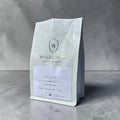
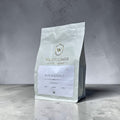
Washed (Wet Processed). Processing method where the fruit layer is mechanically removed before drying. The result is a clean, transparent cup profile that clearly expresses the bean’s inherent characteristics — terroir, variety, and origin character. Most Colombian and Kenyan specialty coffees are washed. Wildflower’s May Flower is a fully washed Colombian.
Natural (Dry Processed). Processing method where the whole cherry is dried intact, allowing the fruit sugars to ferment into the bean. Produces fruity, wine-like, or berry-forward cup profiles. Requires careful management of drying conditions to avoid fermentation defects.
Honey Process. A hybrid between washed and natural: the outer skin is removed but some or all of the sticky mucilage is left on the bean during drying. Yellow, red, and black honey refer to the amount of mucilage remaining. Produces a cup that is sweeter and fuller than washed but cleaner than natural.
Giling Basah (Wet Hulled). A processing method unique to Indonesia — specifically Sumatra — where the parchment layer is removed from the bean while it still contains 30–50% moisture. The exposed bean dries in the final phase without its protective covering. This method produces Sumatra’s characteristic earthy, full-bodied, low-acidity profile. Full explainer here. Wildflower’s Wild Orchid is a Giling Basah Sumatran.
Mucilage. The sticky layer of fruit material between the outer cherry skin and the inner parchment. In honey and natural processing, mucilage fermentation contributes to the cup’s sweetness and body. In washed processing, it is removed before drying.
Parchment. The thin protective layer that surrounds the green coffee seed inside the cherry. Removed in the hulling process after drying (or during, in the case of wet hulling).
Sourcing and Quality Terms
Single Origin. Coffee from one specific country, region, farm, or cooperative — not blended with coffee from other sources. Single origin allows the flavor characteristics of a specific terroir, variety, and processing method to express fully, unmodified by blending for consistency.
Specialty Grade. Coffee that scores 80 or above on the SCA (Specialty Coffee Association) 100-point cupping scale. Specialty grade represents the top tier of global coffee production, characterized by minimal defects, clear flavor distinction, and traceable origin. All Wildflower coffees are specialty grade.
SCA Score. A numerical quality score assigned during a standardized evaluation process developed by the Specialty Coffee Association. Trained Q Graders evaluate coffee on ten attributes: fragrance/aroma, flavor, aftertaste, acidity, body, balance, uniformity, clean cup, sweetness, and overall. Scores above 80 qualify as specialty; scores above 90 represent exceptional lots.
Terroir. A term borrowed from wine, referring to the environmental characteristics of a specific growing location — soil composition, altitude, rainfall, temperature variation, microorganisms — that express themselves in the flavor of the coffee. Two coffees from the same country but different farms at different altitudes will taste different because their terroir differs.
Direct Trade. A sourcing model where the roaster purchases directly from the farm or cooperative without broker intermediaries. Enables higher farmer premiums, genuine supply chain traceability, and the relationship quality needed for mold-free certification standards.
Fair Trade. A third-party certification that sets floor prices and labor standards for coffee cooperatives. Provides a price safety net but does not guarantee quality or full traceability. Many high-quality coffees are both Fair Trade certified and direct trade sourced — complementary, not competing, standards.
Q Grader. A licensed professional certified by the Coffee Quality Institute to evaluate coffee quality using the SCA cupping protocol. Q Graders undergo rigorous sensory testing and must recertify regularly.
Experience Giling Basah processing in your cup.
Wild Orchid is Wildflower’s wet-hulled Sumatran — the most distinctive processing method in the world, sourced clean and roasted to order.
Shop Wild Orchid →Roasting Terms
Light Roast. Coffee roasted to an internal bean temperature of approximately 356–401°F, stopped before or at the first crack. Light roasts retain the highest concentration of origin character, acidity, and aromatic complexity. Caffeine content is marginally higher than darker roasts by weight.
Medium Roast. Roasted between first crack and the onset of second crack (401–428°F). The most versatile roast profile for filter coffee — retaining origin character while developing roast-contributed body and sweetness. Most of Wildflower’s single origins are medium roasted.
Dark Roast. Roasted through or beyond second crack (428°F+). Origin character is progressively replaced by roast character: caramelized sugars, dark chocolate, low acidity. Dark roast also produces higher levels of AGEs and acrylamide compared to lighter roasts.
First Crack. The audible pop that occurs when steam pressure builds inside the bean during roasting and the cell walls fracture. Marks the beginning of the light roast range. An important sensory cue for the roaster.
Roast Date. The specific date a coffee was roasted. The single most important freshness indicator on a bag. A visible roast date — not a “best by” date — is the mark of a roaster committed to transparency.
Roasted to Order. A fulfillment model where coffee is roasted after the customer places their order, not pulled from pre-roasted inventory. Full explainer here.
Brewing Terms
Extraction. The process of dissolving soluble compounds from coffee grounds into water. Under-extraction (insufficient dissolved compounds) produces sour, thin coffee. Over-extraction produces bitter, heavy coffee. The optimal extraction window — approximately 18–22% of the coffee’s soluble mass — produces the balanced, nuanced cup that specialty brewing aims for.
Bloom. The initial pre-infusion pour in pour-over brewing: a small amount of water (approximately twice the weight of the coffee) saturates the grounds and allows CO2 trapped during roasting to escape before extraction begins. A dramatic bloom indicates fresh coffee.
TDS (Total Dissolved Solids). A measurement of the concentration of dissolved coffee compounds in a brewed cup, typically expressed as a percentage. Used alongside extraction percentage to optimize brewing for both strength and balance. Professional baristas use refractometers to measure TDS; home brewers rely on taste.
Ratio. The proportion of coffee to water in a brew, typically expressed as 1:X (one gram of coffee to X grams of water). Standard pour-over ratio is 1:15 to 1:17. Espresso is typically 1:2 to 1:2.5.
Grind Size. The particle size of ground coffee, which determines extraction rate. Finer grinds extract faster; coarser grinds extract slower. The correct grind size for a given method and coffee is the one that produces balanced extraction within the method’s intended brew time. See our guide on the most common brewing mistakes for how grind size errors manifest in the cup.
Pour-Over. A manual brewing method where hot water is poured gradually over grounds held in a paper or metal filter. Produces a clean, bright cup with maximum clarity of flavor. Complete guide here.
Tasting and Sensory Terms
Acidity. In coffee, “acidity” refers to a bright, vibrant quality on the palate — not sourness or harsh bitterness. High-altitude coffees from Colombia, Kenya, and Ethiopia tend to have high, pleasant acidity. Well-managed acidity is a quality indicator, not a defect.
Body. The tactile weight or texture of the coffee in the mouth — how it feels, not how it tastes. French press coffee tends to have heavier body than pour-over because metal filters allow oils and fine particles to pass through that paper filters remove.
Finish / Aftertaste. The flavors that linger in the mouth after swallowing. A long, clean, sweet finish is a quality indicator. A harsh or astringent finish indicates over-extraction or a defect in the green coffee.
Cupping. The standardized tasting protocol used by professionals to evaluate coffee quality. Coffee is ground, infused in cups with hot water, crust broken and aromas assessed, then tasted by slurping to aerate the coffee across the palate. The SCA cupping protocol forms the basis of specialty coffee quality evaluation worldwide.
Tasting Notes. Descriptive flavor vocabulary applied to the aromatic and taste characteristics of a coffee. Not additives or flavorings — the result of terroir, variety, processing, and roasting interacting to produce compounds that resemble specific flavors.
Frequently Asked Questions
What does single origin mean in coffee?
Single origin means the coffee comes from one identifiable source — a specific farm, cooperative, or region — without blending with coffee from other sources. It allows the terroir, varietal character, and processing of that specific origin to express without modification. Single origin coffees are valued for their traceability and the way they reflect a specific place and set of people.
What is an SCA score and why does it matter?
An SCA score is a quality rating assigned to coffee by certified Q Graders using the Specialty Coffee Association’s 100-point cupping protocol. Coffees scoring 80 or above are classified as specialty grade. Scores above 85 represent excellent quality; above 90 is exceptional. The score evaluates ten sensory attributes and provides a standardized quality benchmark that buyers, roasters, and consumers can use across origins and varieties.
What is terroir in coffee?
Terroir is the environmental signature of a specific growing location — the combination of soil composition, altitude, rainfall, temperature variation, and local microbiology that produces flavor characteristics unique to that place. Two coffees of the same variety grown at different altitudes in different regions will taste different because of their different terroir. Colombia Tolima, Guatemala Huehuetenango, and Sumatra Aceh each produce unmistakably distinct flavor profiles because of their distinct terroir.
What is the difference between washed and natural coffee processing?
Washed processing removes the fruit layer before drying, producing clean, bright cups that clearly reflect the bean’s inherent character. Natural processing dries the whole cherry intact, allowing fruit sugars to ferment into the bean and produce fruity, wine-like, or berry-forward flavors. Washed coffees express terroir and variety most transparently; natural coffees express processing-contributed fruit character.
What does extraction mean in brewing coffee?
Extraction is the process of dissolving soluble flavor compounds from coffee grounds into water. The goal is optimal extraction — approximately 18–22% of the coffee’s soluble mass dissolved. Under-extraction (below 18%) produces sour, thin coffee. Over-extraction (above 22%) produces bitter, heavy coffee. Grind size, water temperature, pour technique, and brew time are all variables that affect extraction rate and outcome.
Keep Reading
Every term in this glossary. In your cup.
May Flower is washed, single-origin, specialty-grade Colombian from ASOPEP — direct-trade, mold-free certified, and roasted to order. The glossary made tangible.
Shop May Flower →