














Planadas, Colombia: The Story of Camilo Suarez and the Cooperative Changing Specialty Coffee
Share
In This Article
There is a region in west-central Colombia so remote, so encircled by the folds of the Andes and the basin of the Magdalena River, that until recently it remained largely inaccessible to the specialty coffee market. Planadas, in the department of Tolima, is not a name most coffee drinkers would recognize. That is exactly what makes it worth telling.
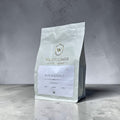
This is where your Wildflower Colombia Tolima was grown.
The Landscape That Makes the Coffee
Tolima is the third-largest coffee-producing region in Colombia, accounting for approximately 12 percent of the country’s annual production. The region is fully inscribed by Andean mountain ranges — a natural amphitheater of altitude, microclimate, and volcanic soil that creates ideal conditions for high-altitude arabica cultivation. The Magdalena River basin introduces temperature variation that forces coffee plants to develop more slowly, concentrating sugars in the cherry and producing beans with the brightness, complexity, and structural balance that define truly exceptional Colombian coffee.
The remoteness that long kept Tolima off the radar of specialty buyers is also what preserved it. Farms here have not been subject to the pressures of industrial-scale agriculture. The land is worked by families who have cultivated it across generations, using methods that reflect intimate knowledge of their specific terrain. This is precisely the kind of origin relationship that direct trade makes possible and commodity sourcing never will.
Camilo Suarez and the Vision Behind ASOPEP
In 2013, a young farmer named Camilo Suarez co-founded the Asociación de Productores Ecológicos de Planadas — ASOPEP. The name translates to the Association of Ecological Producers of Planadas. The mission was never simply to produce more coffee. It was to produce better coffee, and to use that better coffee as a vehicle for the personal growth of every member farmer and the protection of the land they work.
ASOPEP has achieved both Fairtrade and Organic certification — a combination fewer cooperatives in Colombia hold simultaneously — and has cultivated relationships with roasters who pay well above commodity prices for their lots. The cooperative has been recognized within Colombia’s specialty sector as an organization that understands both the agronomic and the commercial dimensions of producing world-class coffee.
Taste Planadas in your cup.
Wildflower’s May Flower is sourced directly from ASOPEP in Colombia’s Tolima region. Organic, mold-free certified, and roasted to order.
Shop May Flower →What “Ecological” Production Means in Practice
ASOPEP’s ecological commitment is evident in how their member farms operate. Member farms employ shade-growing techniques that preserve forest canopy, support biodiversity, and regulate temperature in ways that directly improve coffee quality. Composting, water recirculation in processing, and sustainable soil management are integrated into daily practice — not as compliance measures but as expressions of the cooperative’s founding values.
Shade-grown, organically managed coffee at high altitude in a biodiverse environment produces cherries that ripen more uniformly and develop more complex flavor profiles than sun-grown alternatives. The ecological practices and the quality outcomes reinforce each other. They also align with the controlled processing standards that make mold-free certification achievable at the farm level.
Tasting Planadas in the Cup
The Colombia Tolima from ASOPEP is characterized by the layered brightness that high-altitude Colombian coffee delivers, balanced by a body that reflects Tolima’s volcanic terroir. You’ll find berry notes — the gentle fruit that comes from extended cherry development in a slow-maturing mountain climate. Beneath that, chocolate and warm spice: structural elements that give the cup substance beyond its brightness.
This is a coffee that rewards a clean brewing method. Pour-over or Chemex with water around 200°F will give you the clearest expression of what three generations of cultivation and one remarkable landscape have produced.
Why This Story Matters Beyond the Cup
ASOPEP is a young organization — barely a decade old. What Camilo Suarez built in Planadas is a work in progress: a cooperative still adding members, still improving its processing infrastructure, still developing the market relationships that will allow it to sustain its quality-first mission over the long term.
When you buy a bag of Wildflower’s Colombia Tolima, you are participating in that project. The premium price we pay ASOPEP for their coffee funds the things that make continued improvement possible: better drying infrastructure, education programs for member farmers, equipment that enables more precise fermentation control. This is what direct trade is supposed to do. Not certify a baseline, but build something — season by season, harvest by harvest, cup by cup.
Frequently Asked Questions
What is Colombia Tolima coffee?
Colombia Tolima coffee comes from the Tolima department in west-central Colombia — the third-largest coffee-producing region in the country. Tolima is fully encircled by Andean mountain ranges and the Magdalena River basin, creating remote, high-altitude growing conditions that produce coffee with bright acidity, chocolate and berry notes, and exceptional structural complexity. It is one of Colombia’s most promising specialty origins.
What is the ASOPEP cooperative?
ASOPEP (Asociación de Productores Ecológicos de Planadas) is a Fair Trade and Organic certified farmers’ cooperative founded in 2013 by Camilo Suarez in the Planadas area of Tolima, Colombia. The cooperative’s mission is to produce exceptional specialty coffee while fostering personal growth of member farmers and protecting the surrounding environment. It is part of a small number of simultaneously Fair Trade and Organic certified cooperatives in Colombia.
What does Colombia Tolima coffee taste like?
Colombia Tolima coffee from ASOPEP typically presents bright, layered acidity with berry fruit notes from slow, high-altitude cherry development, supported by chocolate and warm spice in the finish. The cup is clean and structurally complex — ideal for pour-over or filter brewing methods where the nuance of a well-grown single-origin can fully express itself.
Is Tolima a specialty coffee region?
Yes. While Tolima’s remoteness kept it off the specialty coffee map for years, it has become increasingly recognized as one of Colombia’s most exciting origins. The combination of Andean altitude, volcanic soil, and the Magdalena River basin’s microclimate creates conditions that consistently produce coffee scoring well above the 80-point SCA specialty threshold.
Why buy directly from ASOPEP instead of generic “Colombian coffee”?
Generic “Colombian coffee” is almost always a commodity blend sourced from hundreds of anonymous farms, blended for consistency, and stored for months. Buying from ASOPEP through a direct trade relationship means you receive coffee from a specific cooperative in a specific region, with verifiable processing standards, a documented supply chain, and a price premium that reaches the actual farmers. The difference in your cup is immediate and unmistakable.
Keep Reading
The farmers behind your coffee deserve to be known by name.
May Flower is sourced directly from ASOPEP in Planadas, Colombia — Fair Trade, Organic, mold-free certified, and roasted to order just for you.
Shop May Flower →