
















Is Your Coffee Triggering Your Symptoms? Autoimmune Conditions, Thyroid Health, and the Case for Mold-Free Coffee
Share
In This Article
There’s a question that doesn’t get asked often enough in functional medicine offices, wellness consults, or autoimmune support groups: What kind of coffee are you drinking?
Not how much. Not what time of day. What kind.
For the millions of people managing autoimmune conditions — Hashimoto’s thyroiditis, lupus, rheumatoid arthritis, celiac disease, inflammatory bowel disease — the morning cup of coffee has been studied, debated, and quietly blamed. But the conversation almost always centers on caffeine. And that conversation, increasingly, may be focused on the wrong thing entirely.
The Problem Isn’t Always the Caffeine
Caffeine is a well-understood compound. It inhibits adenosine receptors, promotes alertness, and can, in excess, trigger anxiety, cortisol spikes, and sleep disruption. For people with certain autoimmune conditions, these effects are worth managing.
But many people who have reduced or eliminated caffeine still report the same symptoms. Brain fog. The afternoon crash. A vague inflammatory response that intensifies within an hour of their morning cup. The headache that seems disproportionate to the amount consumed.
If the caffeine is gone and the symptoms remain, caffeine was not the cause. What research increasingly points to is what the coffee itself contains that no one asked for — specifically, mycotoxins: toxic compounds produced by mold that survive the entire journey from coffee cherry to roasted bean to your cup.
The Autoimmune Connection to Mycotoxins
Mycotoxin exposure and immune function have been studied extensively. The findings are consistent: mycotoxins are immunotoxic. They alter immune system behavior in ways that are particularly relevant for people whose immune systems are already dysregulated.
Ochratoxin A (OTA), the mycotoxin most commonly found in coffee, has been associated with:
- Increased inflammatory cytokines — OTA upregulates pro-inflammatory signaling, including TNF-α and interleukin compounds already elevated in many autoimmune conditions.
- Gut barrier disruption — OTA contributes to intestinal permeability (“leaky gut”), both a trigger and an accelerant of autoimmune activity. For Crohn’s, ulcerative colitis, and celiac disease, this is not a minor concern.
- Thyroid interference — OTA demonstrates endocrine-disrupting properties with specific effects on thyroid hormone metabolism. For people with Hashimoto’s, the thyroid is already under immune attack; compounds that further interfere with thyroid function compound the challenge.
- Immune dysregulation cycles — Mycotoxins disrupt immunity in unpredictable ways. Some research shows initial suppression followed by compensatory overactivation — a pattern that mirrors flare cycles in several autoimmune conditions.
Why the Thyroid Is Particularly Vulnerable
Hashimoto’s thyroiditis affects an estimated 14 million Americans and is the most common cause of hypothyroidism in the developed world. Managing Hashimoto’s is a process of reducing immune triggers.
The thyroid gland concentrates compounds from the diet as part of its normal function — but that concentrating capacity also makes it more vulnerable to substances that interfere with thyroid peroxidase activity, which OTA specifically affects. For Hashimoto’s patients who have cleaned up their diet extensively but still drink conventional coffee daily, mycotoxin exposure is increasingly part of the conversation their integrative medicine provider is likely to raise.
The Gut Microbiome: Where Coffee Quality Becomes Personal
Approximately 70 to 80 percent of the immune system resides in the gut. OTA disrupts tight junction proteins — the cellular structures that maintain gut barrier integrity — and alters the gut microbiome in ways that favor dysbiosis. Dysbiosis is associated with worsened autoimmune outcomes across virtually every condition in this category.
For someone with an existing gut-immune vulnerability, introducing a daily source of OTA — even at levels below regulatory thresholds — represents a chronic, cumulative challenge to an already-stressed system.
Why Organic Certification Alone Isn’t Enough
Organic certification addresses pesticide practices. It says nothing about how the cherries were fermented, how the beans were dried, or how the green coffee was stored — all the processes through which mold contamination enters the supply chain.
A bag of USDA Organic coffee from a grocery chain is almost certainly sourced through the commodity system — blended from multiple farms, stored for months. What changes the contamination picture is direct-trade sourcing, independent third-party laboratory testing for Ochratoxin A and Aflatoxin B1, and a roaster committed to verifying the result. You can read more about that standard in our complete guide to mycotoxins in coffee.
Coffee that works with your body, not against it.
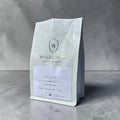
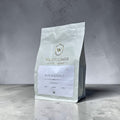
Wildflower’s Morning Bloom is mold-free certified, USDA Organic, and roasted to order. Trusted by health-conscious coffee drinkers who refuse to compromise.
Shop Morning Bloom →What Clean Coffee Changes for Your Body
The shift people with autoimmune and thyroid conditions report after switching to mold-free, lab-tested coffee follows a consistent pattern:
- Reduced post-coffee inflammation and less GI irritation
- More stable energy without the mid-morning crash
- Improved mental clarity and reduction in coffee-associated brain fog
- Better sleep, which may reflect lower overall cortisol dysregulation
Every bag of Wildflower Coffee is sourced from farms with whom we have direct relationships. Our roasted-to-order process means the coffee that arrives is days, not months, from the roaster. If you’re managing an autoimmune condition and haven’t yet tried a genuinely mold-free coffee, the experiment is simple: order a bag, drink it for two weeks, and notice what’s different.
Frequently Asked Questions
Is coffee bad for autoimmune disease?
Coffee isn’t inherently harmful for autoimmune conditions — in fact, high-quality specialty coffee contains polyphenols with genuine anti-inflammatory properties. The issue for many autoimmune sufferers is not coffee itself, but contaminants in conventional coffee, particularly mycotoxins like Ochratoxin A, which have documented immunotoxic effects. Switching to a verified mold-free source often makes a meaningful difference.
Can coffee worsen Hashimoto’s thyroiditis?
Conventional coffee may worsen Hashimoto’s in individuals sensitive to mycotoxins, as Ochratoxin A specifically interferes with thyroid peroxidase activity — an enzyme already compromised in Hashimoto’s. The cortisol spike from caffeine can also stress the HPA axis in ways that compound thyroid burden. Mold-free, lower-dose coffee taken after the cortisol morning peak may reduce these effects significantly.
What is the best coffee for people with autoimmune conditions?
The most important criteria are: mold-free certified (with published third-party lab results), direct-trade sourced for full traceability, and roasted to order to minimize oxidation. Among Wildflower’s lineup, Morning Bloom (a clean, medium-roast Colombian) is a popular choice for those prioritizing both purity and flavor clarity.
Does mycotoxin-contaminated coffee affect the immune system?
Yes. Ochratoxin A has been documented to upregulate pro-inflammatory cytokines, disrupt gut barrier integrity, and interfere with normal immune signaling. For people with already-dysregulated immune systems — as in most autoimmune conditions — chronic low-level OTA exposure from daily coffee consumption represents a meaningful immunological burden.
Is organic coffee safe for people with autoimmune disease?
Organic certification addresses pesticide use only — it does not guarantee freedom from mycotoxins. A USDA Organic bag can still contain significant OTA if the processing and storage chain was not controlled. For people with autoimmune concerns, mold-free certification (with documented lab results) is a more meaningful standard than organic certification alone.
Keep Reading
Your morning ritual deserves to work for you.
Morning Bloom is mold-free certified, USDA Organic, single-origin Colombian, and roasted to order. Clean coffee that actually agrees with your body.
Shop Morning Bloom →